African-Americans have long pushed back against the notion that
whiteness, and “white medieval history,” are the full story of America’s
foundation. African Americans resisted and subverted the dominant myths
of the nation. Looking at these acts of resistance can tell us a great
deal about alternative—but equally valid—ways of perceiving American
history.
To read more about ways in which African Americans strove
to strove to forge a more comprehensive, difficult, and ultimately
positive conception of the medieval world, read Dr. Vernon’s new book The Black Middle Ages: Race and the Construction of the Middle Ages. It is available through Palgrave McMillan, or on Amazon.com now.
Feeding your animals (safe) but new-to-them foods is botha great source of enrichment for the and endless hilarity for you. I reccomend green beans because they’re unwieldly for them to eat so its an involved process.
You can see all my replies to asks on my Replies page. I’ve included the entire list in this post as well, for convenience ^^. I’ll be updating the Replies page and this post as needed.
Also, for all my own posts (including replies), please see my China tag (that’s the tag I use for my original posts).
IF YOU CAN READ THIS WITHOUT FEELING A WARM BUBBLE OF HUMAN JOY IN YOUR HEART I DON’T KNOW WHAT TO DO FOR YOU
(Also I was so confused for a while because the OP totally missed a number in the thread but the story is so precious I forgive them)
This is adorable and hilarious!
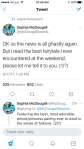
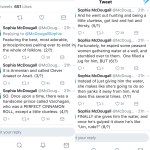
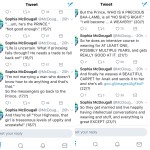
Okay, so I found out more about this story/tale.
First, it is originally an Armenian folktale called “Clever Anaeet”. But I haven’t found more information unfortunately about the original story.
There is a version of it though in “The Fabrics of Fairytales” by Tanya Batt. It is actually a collection of various fairytales and is relatively short (80 pages according to Goodreads).
However, I think this post is referring to the picture-book adaption of the same story, “A Weave Of Words” by Robert D. San Souci.
I hope this helps anyone who wants to read it for themselves or look into this further.
@rejectedprincesses don’t you have an entry about this woman in your book or on your website? I feel like I read it somewhere…
Yep, right here! It’s based off an Armenian fairytale called Anahit, collected in 1881 by
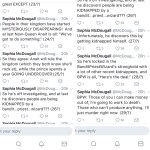
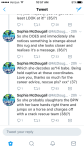
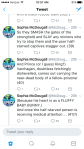
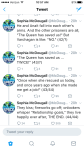
This Twitter thread has been going around and I’ve been tagged a couple times – I suspect I need to do tweetstorms like this for RP entries, instead of just a couple pics and a link to the entry.









 FantasyBoudicca