Here are a few tricks I’ve picked up along my kitchen-witchery journey:
• When frying meat, use tongs and always add the meat to the pan by laying it away from you. This prevents the oil from splashing and burning you.
• Do not prep and cook at the same time. Finish your prep before adding anything to a frying pan or sticking anything in the oven.
• 4 tbsps is equal to ¼ cup. So when something calls for 1/8 of a cup, it means 2 tbsps. No one has 1/8th cups.
• If a recipe calls for buttermilk but you’re all out, add 1 tbsp of lemon juice or white vinegar to a cup of milk and let it sit for about 15 minutes. Boom, you have buttermilk.
• Burned the bottom of your pan? No worries, I do it all the time too! To get those stubborn bits off, add water to the pan and boil it once more on the stovetop. This loosens up the grime so you can scrape it off!
• Keep brownies, cookies, and cakes moist by storing them with a slice of bread. The treat will remain decadent while the bread will harden and crust up.
• Speaking of crusty/stale bread, if you want the best french toast, leave your bread out overnight. Stale bread soaks up more egg/custard and will result in richer, Fuller pieces of french toast.
• Before frosting your goodies, stick your frosting spoon/utensil in the fridge. Colder utensils make for better frosting-spreaders.
• To prevent your cakes from cracking or rising unevenly in the oven, place a dish of water on the rack below. The extra moisture helps cakes cook evenly.
• Eat and use veggies and fruits that are in-season!
• Buy local produce when you can.
• Always work with sharp knives and always slice away from yourself. Dull knives and cuts are no good.
• Lean cuts of meat like pork tenderloin and chicken breasts toughen up when cooked in the oven, on the stovetop, or on the grill. To keep some of the moisture, wrap them in foil or add a sauce to the pan.
• Your measurements don’t have to be perfect! It’s okay to spill a little flour here and there!
• If you screw up a recipe don’t get discouraged! Cooking and baking are trial and error. Both skills come with time and part of the fun is making a few mistakes along the way!
• Intent is important. It doesn’t always matter what magical ingredients you’ve added to the dishes, sometimes intent and reason for making are the strongest most powerful forces you can garner during the process.
• Everyone has different tastes! Some people may not like what you make, others may enjoy it whole-heartedly. Don’t get discouraged if a few people shy away from your food!
That’s it for now! I’m sure I have many more to share, but until then, keep cooking!
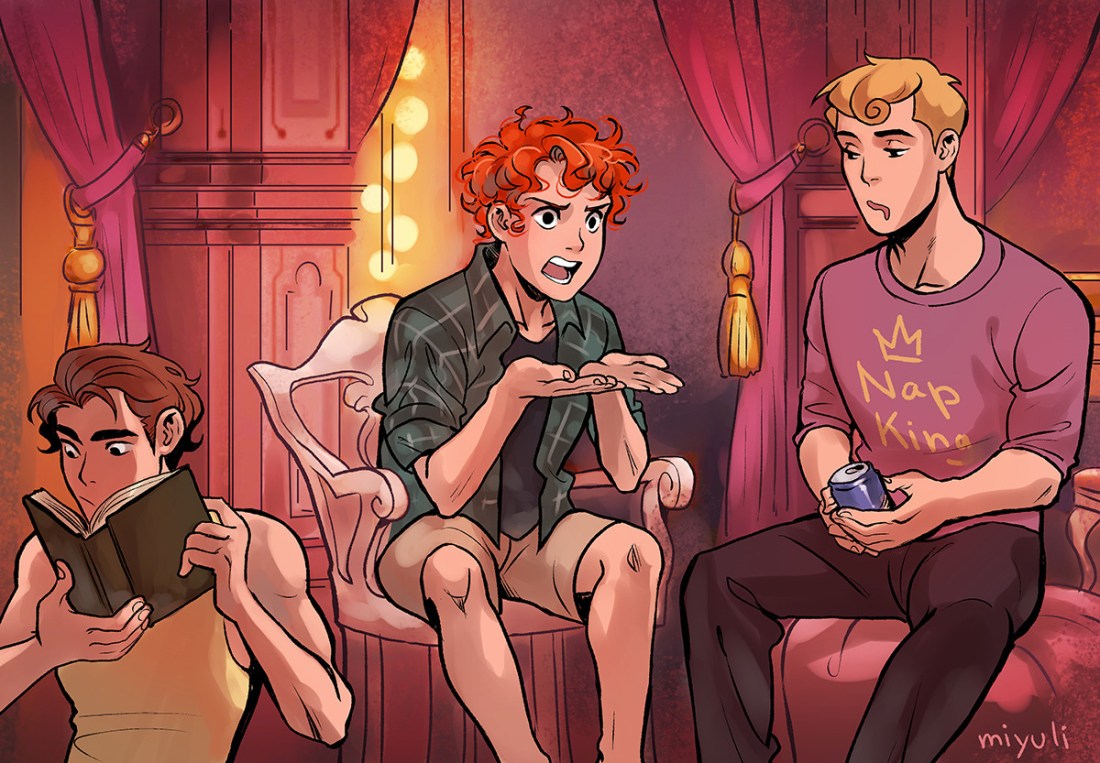
The Percy Jackson & the Olympians series would have been 70% funnier if Percy referred to Kronos as “Grandpa”
Okay but that would’ve been a perfect way to get around the whole “names are powerful” thing PJO used/uses to avoid spoilers. Like, the main reason that rule exists is because supposedly saying a thing’s name can invoke their attention and wrath (and because we’re not supposed to know the bad guy’s name so early in the plot). It would’ve been hilarious if Percy just stopped and said, “Alright, can’t call him Kronos? He’s grandpa now.” And they just go the entire series doing that.
“Okay so Beckendorf and I are going to blow up Grandpa’s ship. If we’re lucky, we’ll punch him in the face on the way.”
“Rachel just hit Grandpa in the face with a blue hairbrush.”
“Percy,” Chiron said cautiously, “You really should not underestimate Grandpa, he is the lord of time, you know.”
And the whole time Kronos is just. Furious because nobody is saying his name, and that’s making it a whole lot harder to know what’s actually going on among his enemies.
Bonus points for Percy using it as a way to insult gods without them knowing: “Uncle Z’s a piece of shit.”
Hit your cousin with a sword like the stupid punk that he is.
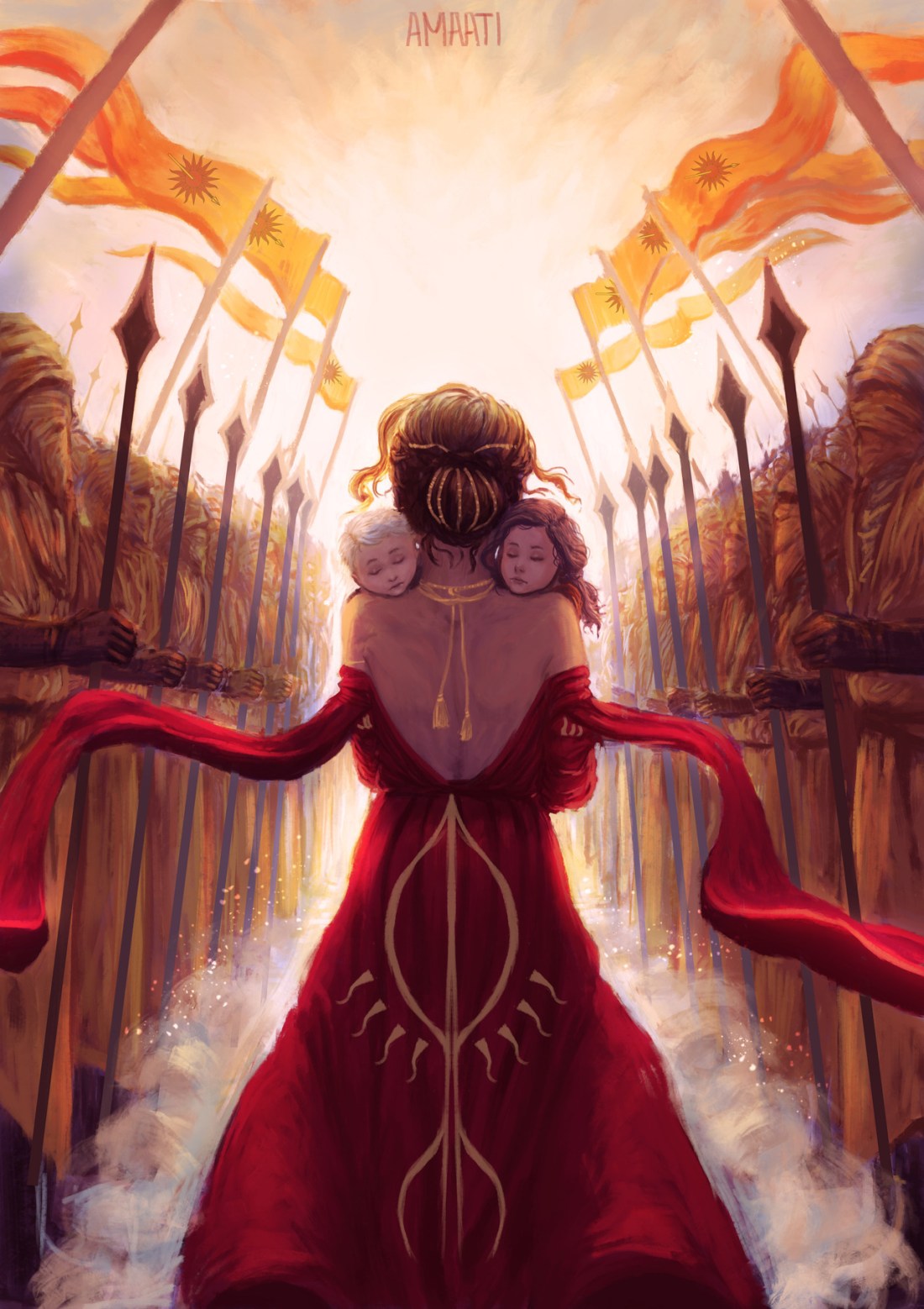
The Dornishmen burn to avenge Elia and her children.
(Had this idea from ages ago and finally got around to do it!)
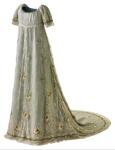
The whimsical geometric depictions of fantastical beasts were a mark of the Chu. Considering themselves descendants of phoenixes rather than dragons, the Shamanistic Chu were considered “heathen” t
Were you impressed at how gorgeous the new Tangren outfits for its upcoming Three Kingdoms drama. Yours truly happen to be currently in a Chu dynasty phase and immediately recognized them as strangely anachronistic. In fact, half of the patterns for their character posters came directly from the same tomb, the famous No. 1 Chu Tomb of Jiangling Mashan 江陵马山一号楚墓, dated about five centuries before the story’s time.
First off, for these disorders, your character needs to have gone through a traumatic event (or multiple ones).
Note – there are two different sets of criteria for PTSD. One is for adults and children older than six; the other is for children 6 years and under.
These are the adult criteria:
A trauma is defined as being exposed to actual or threatened death, serious injury, or sexual violence, in one or more of the following ways:
Directly experiencing it
Witnessing in person the trauma as it happened to someone else
Learning that the trauma happened to a close family member or friend. If the person dying or nearly dying is the traumatic event, it has to have been violent or accidental
The character has been repeatedly and excessively exposed to awful details of traumatic events. This is typically seen in first responders, police officers investigating child abuse, etc.
So your character has, in some way, been through something pretty hellish. What comes next? As I discussed in one of my earliest posts, not everyone going through a traumatic event gets PTSD. There are a lot of factors involved.
But your character is one of the unlucky ones.
There are few clusters of symptoms the character needs to have experienced some of to get a diagnosis of PTSD.
Intrusion (1 or more of the following):
Repeated, unwanted, inescapable and extremely stressful memories of the trauma
Frequent nightmares about or similar to the trauma
In children above 6, the nightmares may not seem related
Dissociative reactions / Flashbacks – the character feels or acts as if the trauma is happening again. Flashbacks range from relatively mild to severe (to the point where the character loses all awareness of their present surroundings)
Children above 6 might reenact the trauma in play
Severe stress when the character is exposed to internal or external cues that are similar to the trauma
An example would be someone who nearly died in a car crash freaking out when riding in a car and someone slammed on the brakes.
Bodily reactions to internal or external cues that are similar to the trauma
Such as someone’s heart pounding and feeling like they’re going to pass out when they’re being followed
Avoidance (1 or both of the following):
The character avoids (or tries to avoid) memories, thoughts, or feelings related to the trauma.
The character avoids (or tries to avoid) external reminders (such as people, places, objects, situations) of the trauma.
Negative Cognition / Mood (2 or more of the following):
The character can’t remember an important part of the trauma
The character has enduring, strong negative beliefs / expectations about people, the world, or themselves
Ex – “No one can be trusted,” “I’m tainted goods,” “I am a bad person”
The character’s thoughts about what caused or resulted from the trauma are distorted, leading the character to blame themselves or others
“It’s all my fault – I brought this on myself”, “This would never have happened to me if you hadn’t…”
Persistent negative emotional state (fear, horror, anger, guilt, shame)
The character can’t experience positive emotions, such as happiness, or love
The character isn’t as interested in activities they used to like
The character feels distant or estranged from others
Arousal and Reactivity (Not that kind of arousal. Seen through 2 or more):
The character is irritable and angry
This can be seen through verbal or physical aggression towards people or objects
Exaggerated startle response – when the character is surprised, they flip out
Problems concentrating
Trouble sleeping / insomnia
All of these symptoms have to have been experienced by the character for more than 1 month.
These symptoms cause the character stress and seriously makes their life more difficult.
PTSD for children under 6
Alright, now PTSD for children 6 or younger is slightly different.
A trauma in this case is defined as being exposed to actual or threatened death, serious injury, or sexual violence, in one or more of the following ways:
Directly experiencing it
Witnessing in person the trauma as it happened to someone else, especially caregivers
Learning that the trauma happened to a parent or caregiving figure.
Again, there are clusters of symptoms required.
Intrusion (1 or more of the following):
Repeated, unwanted, inescapable memories of the trauma
These memories may not always appear distressing, and may be shown through play reenactment of the trauma.
Frequent nightmares that may or may not be related to the trauma
Dissociative reactions / Flashbacks – the character feels or acts as if the trauma is happening again. Flashbacks range from relatively mild to severe (to the point where the character loses all awareness of their present surroundings)
Children above 6 might reenact the trauma in play
Severe stress when the character is exposed to internal or external cues that are similar to the trauma
Bodily reactions to internal or external cues that are similar to the trauma
One or more of Avoidance OR Negative Cognition / Mood
The character avoids (or tries to avoid) activities, places, or physical reminders of the trauma.
The character avoids (or tries to avoid) people, conversations, or social interactions that remind them of the trauma
The character is much more frequently in a bad or sad mood
The character isn’t interested in activities they previously liked, or don’t play very much
They’re withdrawn socially
They don’t seem to experience positive emotions frequently
Arousal and Reactivity (Not that kind of arousal. Seen through 2 or more):
The character is irritable and angry, resulting in extreme temper tantrums
The above details were taken from Harrison (1995) pp 24 & 33, with Harrison attributing her information to Hall, EG & Skinner, N (1980) Somewhere to turn: strategies for parents of the gifted and talented children. New York: Teachers College Press.
It is in the cognitive and social areas of giftedness that some of these milestones are often more difficult to assess.
For those who, like me, find that they’re writing about babies/toddlers/kids and need some guidance.






















 FantasyBoudicca